- Apple Watch health
- sleep tracking
- WHOOP
- recovery
WHOOP vs Apple Watch: Which One Should You Wear?
By Kalyani Lokireddy
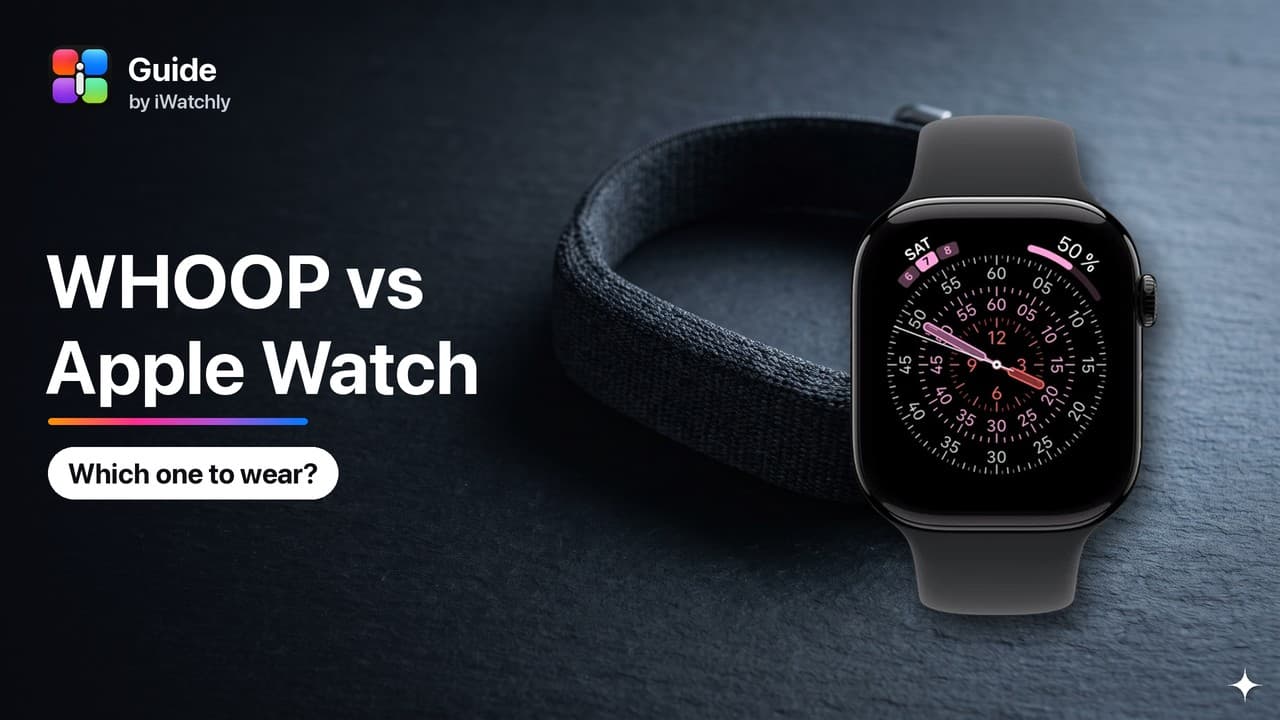
WHOOP is a screenless band you rent for $199 to $359 a year. It is built for one job: telling you how recovered you are. Apple Watch is a watch you buy once, with a screen, apps and FDA-cleared health alerts. If you want a recovery coach and nothing else on your wrist, WHOOP. If you want one device for the whole day, Apple Watch.
What is the real difference?
WHOOP has no screen, no GPS and no apps. It measures heart rate, heart rate variability, breathing rate, skin temperature and blood oxygen, then turns them into three daily numbers: Sleep, Recovery and Strain. The app tells you how hard to train today. It lasts about 14 days on a charge.
Apple Watch does all of that measuring too, and shows it on your wrist. It adds ECG, hypertension and sleep apnea notifications, GPS, payments, calls and apps. On the Series 12 and Ultra 4, a daily Readiness score does a similar job to WHOOP Recovery. The price is the battery: up to 24 hours on the Series 12, 50 on the Ultra 4.

What does WHOOP cost?
WHOOP is a membership and the band comes with it. In the US, One is $199 a year, Peak is $239 and Life is $359. One covers Sleep, Recovery and Strain. Peak adds Healthspan and a stress monitor. Life comes with the WHOOP MG band, which adds ECG, irregular rhythm notifications and blood pressure insights. Stop paying and the band stops working.
Apple Watch is a one-off purchase. Sleep stages, Sleep Score, ECG and the health notifications are free with the watch. Apps that turn Apple Health data into WHOOP-style recovery scores cost far less than a WHOOP year.
Which tracks sleep better?
Both record sleep stages, heart rate and breathing, and reviewers who wore both for months found the numbers close. WHOOP goes further on advice: it suggests a bedtime based on the strain of your day and shows sleep debt. Apple gives you a Sleep Score out of 100 and, on recent models, can warn you about possible sleep apnea, which WHOOP cannot.
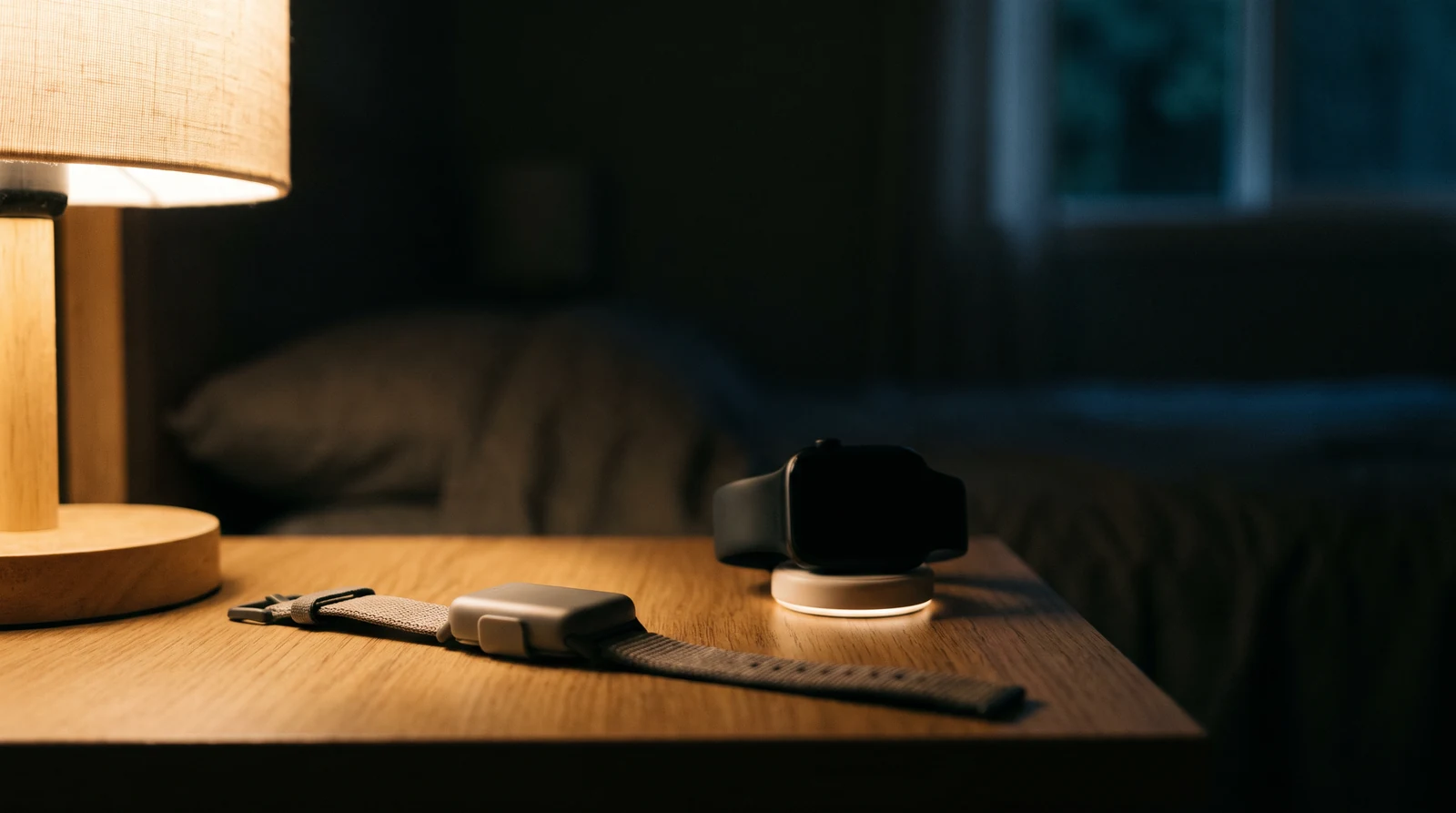
The practical difference is charging. WHOOP charges on your wrist with a slide-on battery pack, so it never comes off. Apple Watch needs a charger most days: 15 to 30 minutes while you shower covers the night.
Who should pick which?
Pick WHOOP if you train hard, want a coach that tells you when to rest, and like a wrist with nothing on it. Pick Apple Watch if you want notifications, maps and payments, care about ECG and sleep apnea alerts, or do not want another subscription. Choosing between models? Answer five questions.
Q: Can I wear WHOOP and Apple Watch together? A: Yes. Wear WHOOP on the other wrist or a bicep band. Both write to Apple Health.
Q: Does WHOOP work without a subscription? A: No. The band is part of the membership and stops syncing when it ends.
Q: Is Apple Watch Readiness the same as WHOOP Recovery? A: It is the closest Apple has. Both use overnight heart rate variability, resting heart rate and sleep. WHOOP also gives you a daily Strain target to train against.
Read next
Oura Ring vs Apple Watch: Which One Should You Wear?
Compare price, battery, sleep accuracy, health alerts and the monthly fee, then pick the one that fits how you actually live.
3 min read
Apple Watch Sleep Tracking: How to Set It Up and Read the Results
Turn on sleep tracking in five steps, then read your sleep stages, Sleep Score and overnight vitals the next morning.
3 min read
Apple Watch Sleep Score and Hypertension Notifications, Explained
How the nightly score is built from three parts, what a hypertension alert does and does not mean, and which watches can do each.
4 min read